
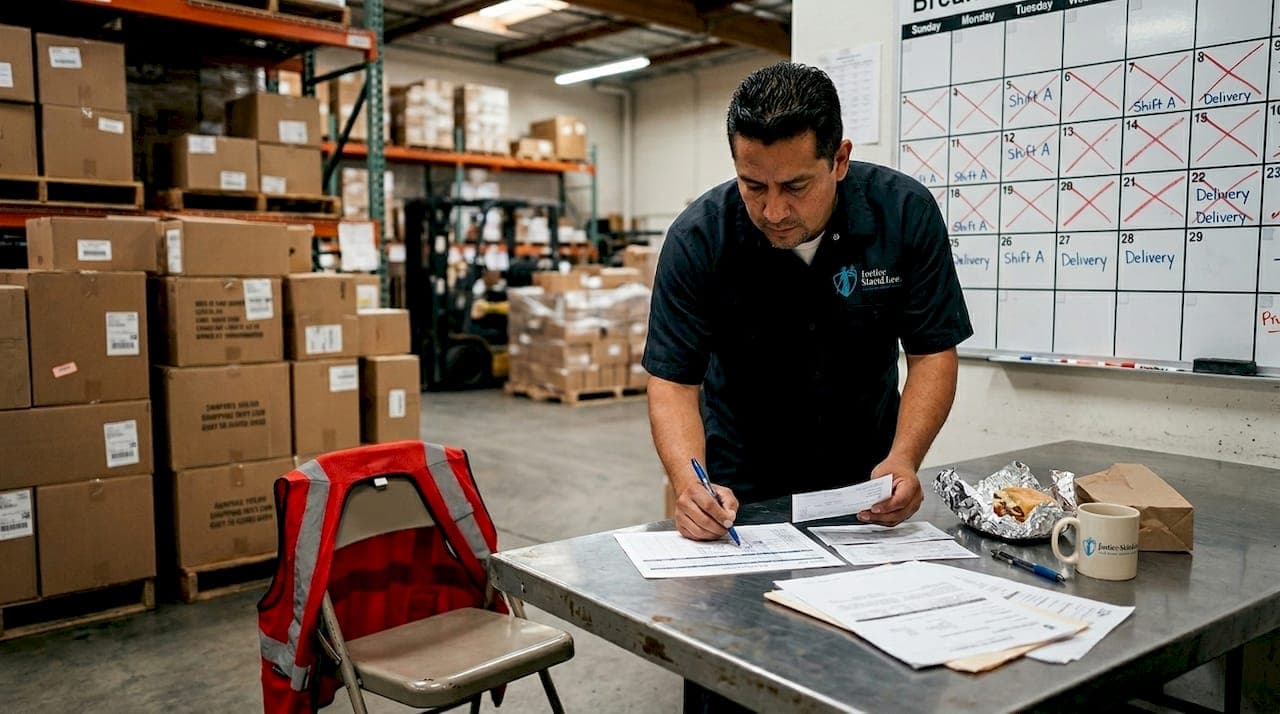
TL;DR:
- Wage theft in Long Beach logistics includes unpaid overtime, off-the-clock work, and illegal deductions.
- Workers face barriers like retaliation fears, language issues, and complex pay structures, making reporting difficult.
- Filing claims and documenting hours can help recover owed wages and push for systemic change.
Low-wage workers in the LA region lose $1.4 billion every year to wage theft. If you work in logistics, warehousing, or port-related industries in Long Beach, that number is not abstract. It may reflect money taken directly from your paycheck. Wage theft in logistics is especially hard to spot because pay structures are complex, shifts run long, and many workers feel too vulnerable to speak up. This guide explains how wage theft happens in your sector, what California law protects, and the specific steps you can take to recover what you are owed.
Table of Contents
- What wage theft looks like in Long Beach logistics jobs
- How big is the problem? Data and examples from Long Beach
- Your legal rights and the wage claim process
- Recovering your wages: Documentation, support, and realistic outcomes
- Why local logistics workers need to push past the barriers
- Get support for your wage theft claim
- Frequently asked questions
Key Takeaways
| Point | Details |
|---|---|
| Wage theft is widespread | LA logistics workers lose millions yearly to wage theft, much of it unreported. |
| Know your rights | California law protects your pay, breaks, and ability to report violations. |
| Action improves outcomes | Documenting your case and seeking legal guidance increases your chances of recovering lost wages. |
| Stay persistent | Wage recovery is challenging but possible with the right evidence and support. |
What wage theft looks like in Long Beach logistics jobs
With those staggering losses in mind, let's look at what wage theft really means for logistics workers in Long Beach. The term covers a broad range of employer conduct, and not all of it is obvious at first glance.
Common forms of wage theft in logistics and warehousing include:
- Unpaid overtime: Being paid straight time for hours worked beyond 8 in a day or 40 in a week
- Off-the-clock work: Required pre-shift safety checks, equipment inspections, or post-shift cleanup without pay
- Missed meal and rest breaks: Skipped or shortened 30-minute meal periods and 10-minute rest breaks
- Illegal paycheck deductions: Charges for uniforms, equipment, or damaged goods deducted from wages without legal basis
- Time card manipulation: Supervisors rounding down hours or editing punch records to reduce payable time
- Misclassification: Being labeled an independent contractor to avoid overtime and benefit obligations
These practices often go unchallenged because workers fear retaliation. Retaliation is common in port and logistics environments, where vulnerable workers including immigrants and non-English speakers face higher risks of wage theft and greater barriers to reporting it.
"Retaliation can take many forms: reduced hours, demotion, hostile treatment, or termination. All of these responses are illegal under California law when they follow a worker asserting wage rights."
Logistics pay structures make wage theft harder to detect. Piece-rate pay, variable shift lengths, and rotating schedules create genuine confusion about what you should be earning. Employers sometimes use this confusion as cover. If you are unsure whether your warehouse safety violations or pay issues qualify as legal violations, the uncertainty itself is often a sign that something is wrong.
Pro Tip: Take a photo of your schedule at the start of each week. Compare it to your actual hours worked and your paycheck. Discrepancies between scheduled and paid time are one of the clearest early signs of wage theft.
Understanding wage-hour rights for delivery drivers can also help you recognize patterns that apply across logistics roles, not just behind the wheel.
How big is the problem? Data and examples from Long Beach
Now that you know what to look for, let's see how wage theft plays out locally and why the problem remains so persistent.
No large, publicly documented wage theft cases directly targeting Long Beach logistics or warehouse workers have surfaced in recent searches. But that absence of headlines does not mean the problem is small. It means most cases go unreported. The LA region loses $1.4 billion annually to wage theft across industries, and logistics shares the same risk profile as sectors where major cases have been proven.
Consider these recent examples from closely related industries in the region:
| Sector | Settlement amount | Key violation |
|---|---|---|
| In-home care (LA area) | $2.2 million | Unpaid overtime, missed breaks |
| Janitorial at Optum facilities | $438,000 | Off-the-clock work, deductions |
| Port trucking (statewide) | Multiple ongoing | Misclassification, withheld wages |
Cases involving in-home care, janitors, and port trucking demonstrate that low-wage, physically demanding jobs with vulnerable workforces are precisely the environments where wage theft takes hold. Warehouse and logistics workers operate under the same conditions.
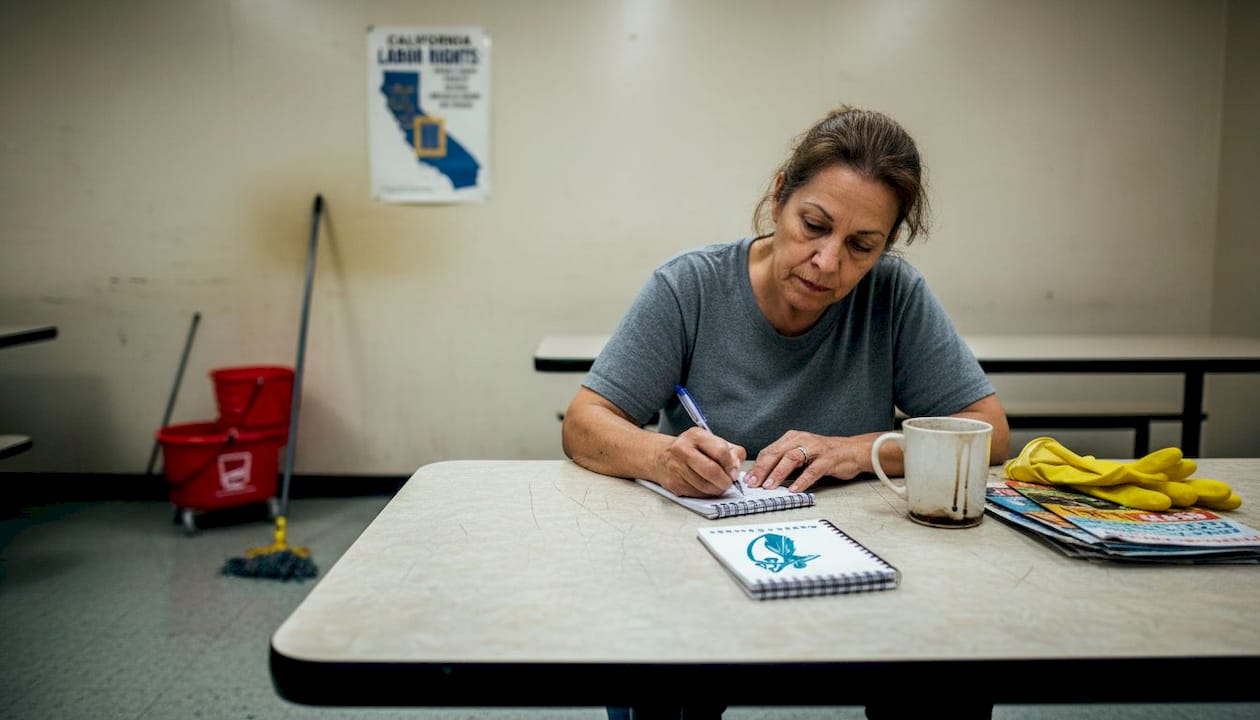
The scale matters. When millions of dollars in stolen wages are recovered in adjacent industries, it signals that equivalent abuses exist in logistics too. The difference is enforcement and visibility, not frequency.
Factors that keep Long Beach logistics wage theft underreported:
- Workers fear immigration consequences
- Language barriers prevent workers from understanding pay stubs or knowing their rights
- Turnover is high, so workers move on before filing claims
- Complex pay structures obscure how much workers are actually owed
- Employers use arbitration agreements to prevent collective action
Building awareness of California worker protections is essential. The law is on your side, but it requires action to be effective.
Your legal rights and the wage claim process
Understanding the scale makes it even more important to know your rights and what you can do if you've been shortchanged.
California has some of the strongest wage and hour laws in the country. As a logistics worker in Long Beach, you are entitled to:
- Minimum wage: $17.00 per hour statewide in 2026, with higher local rates in some jurisdictions
- Daily overtime: 1.5x your regular rate for hours beyond 8 in a single workday
- Double time: 2x your regular rate for hours beyond 12 in a single workday
- Meal breaks: One 30-minute unpaid meal period for shifts over 5 hours
- Rest breaks: One paid 10-minute rest period for every 4 hours worked
- Final paycheck: Immediate payment upon termination, or within 72 hours if you resign
"California law entitles workers to one hour of additional pay for each missed meal or rest break. This is called a 'premium pay' penalty and it applies every time a break is denied."
To file a wage claim, follow these steps:
- Gather your records: Collect pay stubs, schedules, time cards, and any written communications about your hours or pay
- Calculate your losses: Estimate how much you are owed based on unpaid overtime, missed breaks, or deductions
- File with the DLSE: Submit a wage claim to the California Division of Labor Standards Enforcement (also called the Labor Commissioner's Office)
- Attend a settlement conference: The agency will schedule a mediation meeting with your employer
- Proceed to a hearing if needed: If no settlement is reached, a hearing officer will decide your case
Be prepared for a long wait. The DLSE currently has a 47,000-case backlog, and only 12% of claimants recover the full amount owed. That number is discouraging, but it is not a reason to give up. It is a reason to be prepared.
Pro Tip: When reporting workplace violations, keep a personal log with dates, times, and details of every incident. Handwritten notes with timestamps can be just as valuable as digital records.
Recovering your wages: Documentation, support, and realistic outcomes
After learning how the process works, here's how you can strengthen your case and what outcomes to realistically expect.
Documentation is your most powerful tool. Start building your record now, even if you are not sure yet whether you have a claim. The following materials are critical:
- Pay stubs covering at least the last three years
- Copies of your work schedule (photos, screenshots, or printed copies)
- Personal logs of hours worked, breaks taken or missed, and any off-the-clock tasks
- Text messages, emails, or notes from supervisors about work instructions
- Records of any verbal complaints you made and how management responded
The DLSE's list of outstanding judgments shows that recovery rates for workers remain low when they navigate the system alone. This is where support makes a measurable difference.
| Approach | Likelihood of full recovery | Time to resolution | Cost to worker |
|---|---|---|---|
| Filing alone (DLSE) | Low (12% full recovery) | 12 to 24+ months | No upfront cost |
| Legal aid or worker center | Moderate | 6 to 18 months | Usually free |
| Employment attorney | Higher | Varies | Contingency fee |
| Class action lawsuit | Varies; higher for groups | 1 to 3+ years | No upfront cost |
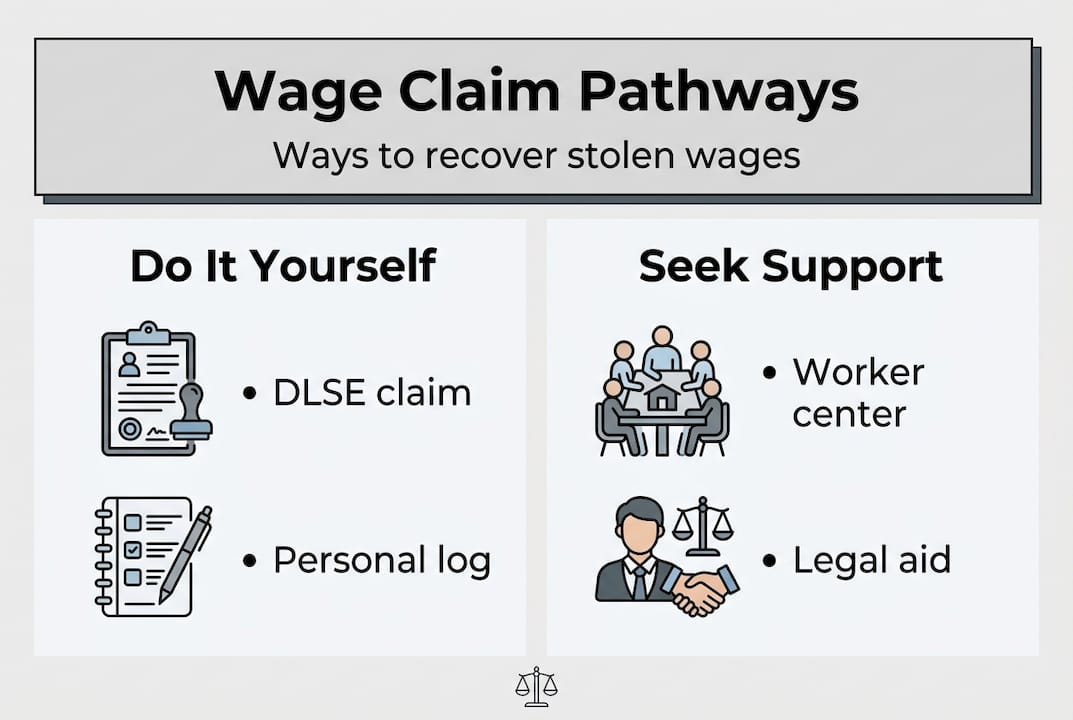
Local resources that can help include worker centers such as the Warehouse Worker Resource Center, legal aid organizations, and plaintiff-side employment attorneys who work on contingency, meaning they only get paid if you win.
Pro Tip: If your situation involves health and safety rights in warehouses alongside wage violations, document both. Multiple violations strengthen your overall case and increase potential recovery.
Realistic expectations matter. Most individual claims settle before a formal hearing. Class actions can result in larger recoveries but take longer. Understanding your driver wage rights or warehouse entitlements before you file puts you in a much stronger position from the start.
Why local logistics workers need to push past the barriers
With these practical steps in mind, consider why your willingness to act holds power beyond your individual case.
Many workers in Long Beach logistics look at the DLSE backlog, the low recovery rates, and the risk of retaliation and decide it is not worth the effort. That reaction is understandable. But it is exactly what enables wage theft to continue at scale.
Systemic wage theft is especially hard on vulnerable workers, but every claim filed increases public pressure on employers and regulators. The $2.2 million recovered in the in-home care case and the $438,000 secured for janitors did not happen because those workers thought they would win easily. They happened because those workers acted.
We work with logistics employees who worry their case is too small or too complicated to matter. It is not. Individual claims create records. Records become patterns. Patterns attract enforcement attention and legal reform. Every worker who documents wage theft and pursues a claim makes it harder for employers to continue the practice unchallenged.
The guide to California worker protections is a starting point, but real change begins when workers stop absorbing losses in silence and start demanding accountability. Your case matters, and not just for you.
Get support for your wage theft claim
If you're ready to stand up for your rights, help is available, even if your situation feels overwhelming.
At Justice Shield Law, we represent employees exclusively. We do not work for employers. Our focus is entirely on protecting workers in Los Angeles and Long Beach who have been shortchanged, retaliated against, or denied the wages they are legally owed. If you work in logistics and suspect wage theft, a free consultation can help you understand whether you have a viable claim and what steps to take next. Learning your rights as a California worker costs nothing. Waiting another pay period without acting could cost you significantly more.
Frequently asked questions
What counts as wage theft in logistics jobs?
Wage theft includes unpaid overtime, off-the-clock work, missed breaks, illegal deductions, and not being paid what you're owed under the law. Any practice that results in you receiving less than your full legal entitlement qualifies.
How long does it take to resolve a wage theft claim in Long Beach?
It can take many months due to the 47,000-case backlog at the California Labor Commissioner's office, and only 12% of claimants recover the full amount owed. Patience, strong records, and legal support significantly improve your chances.
Can I recover unpaid wages if my employer retaliates against me?
Retaliation is illegal, and you have the right to claim unpaid wages and report the retaliation separately. Retaliation in port and logistics settings is common, which is why getting legal advice early is especially important.
What should I do if I suspect wage theft but no big cases exist in my job sector?
You should still document your hours and wages carefully and file a claim. Most wage theft goes unreported or unresolved without individual action, which means the absence of publicized cases reflects silence, not the absence of violations.
Recommended
- Chevron wage dispute rights: Bakersfield workers' guide | Justice Shield Law
- Justice Shield Law | California Employment Lawyers — Free Consultation
- Justice Shield Law | California Employment Lawyers — Free Consultation
- Justice Shield Law | California Employment Lawyers — Free Consultation
- 6 wichtige Rechte von Zeitarbeitnehmern im Überblick