
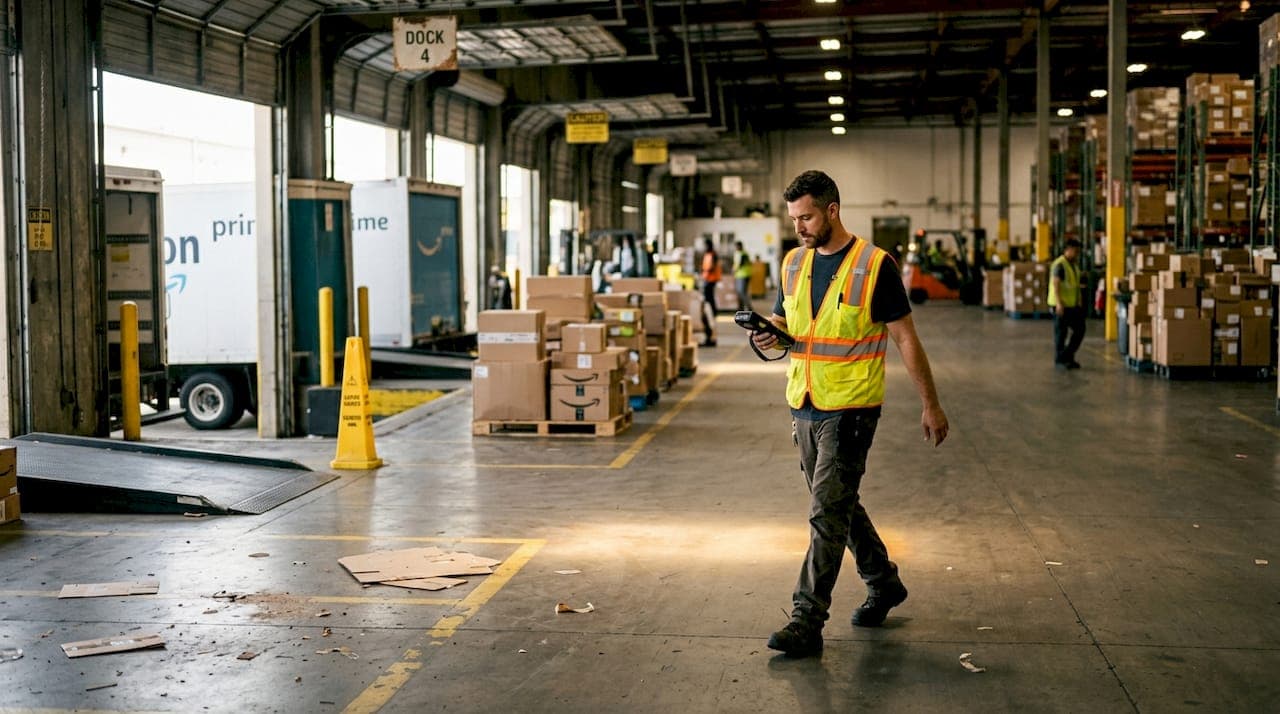
Many people assume Amazon warehouses in Los Angeles face frequent safety citations, but official records tell a different story. While injury rates at Amazon facilities nationwide remain significantly higher than industry averages, no specific OSHA violations have been documented for warehouses operating within Los Angeles city limits as of 2026. This surprising gap between perception and reality matters deeply if you work at or near these facilities. Understanding the true safety landscape, knowing your legal rights, and recognizing when to seek help can protect your health and livelihood when workplace hazards threaten your wellbeing.
Table of Contents
- Key takeaways
- Clarifying safety violation records at Amazon warehouses near Los Angeles
- Higher injury rates and common workplace hazards faced by Amazon warehouse workers
- Legal battles and worker rights: disability claims and retaliation lawsuits in the region
- Practical steps to protect yourself if you face workplace safety violations or retaliation
- Protect your rights with Justice Shield Law
- Frequently asked questions about workplace safety violations at Amazon warehouses in Los Angeles
Key Takeaways
| Point | Details |
|---|---|
| No LA OSHA citations | There are no recorded OSHA safety citations for Amazon warehouses within Los Angeles city limits as of late 2025. |
| Higher injury rates nationwide | Amazon facilities nationwide have a higher serious injury rate than comparable workplaces, at about six injuries per one hundred workers versus 3.7. |
| Inland Empire hubs | Most major Amazon fulfillment centers serving Los Angeles are located in the Inland Empire and operate outside Los Angeles city limits. |
| Ergonomic hazard fines | OSHA has cited Amazon for ergonomic hazards, with fines ranging from forty six thousand to sixty thousand dollars. |
Clarifying safety violation records at Amazon warehouses near Los Angeles
The UCA5 Amazon warehouse operating within Los Angeles city boundaries has no recorded OSHA citations for safety violations as of late 2025. This fact surprises many workers who hear stories about dangerous conditions at Amazon facilities. The confusion stems from how people discuss "Los Angeles area" warehouses without distinguishing between city limits and the broader Southern California region.
Major Amazon fulfillment centers near Los Angeles actually operate in the Inland Empire, a separate geographic and regulatory zone. These facilities include:
- LAX9 in Fontana, approximately 50 miles east of downtown Los Angeles
- ONT5 in San Bernardino, roughly 60 miles from Los Angeles
- ONT6 in Moreno Valley, about 65 miles southeast
- ONT9 in Redlands, approximately 63 miles from the city center
These regional hubs belong to a vast Southern California logistics network that employs thousands of workers who commute from Los Angeles and surrounding communities. When injury reports or safety violations occur at these Inland Empire locations, they directly affect Los Angeles area residents even though the facilities fall outside city jurisdiction. This geographic distinction matters when researching safety records, filing complaints, or pursuing legal action.
OSHA maintains separate inspection databases for each facility based on precise location coordinates. Searching for "Los Angeles" violations may miss relevant citations issued to nearby warehouses where you actually work. Always verify the exact facility address and corresponding OSHA establishment number when investigating safety records. This precision prevents misinformation and helps you understand the true safety profile of your workplace.
The absence of citations within Los Angeles city limits does not mean these workplaces are inherently safer. It may simply reflect the limited number of Amazon facilities operating within the narrow geographic boundaries of Los Angeles proper compared to the massive warehouse concentration in neighboring counties.
Higher injury rates and common workplace hazards faced by Amazon warehouse workers
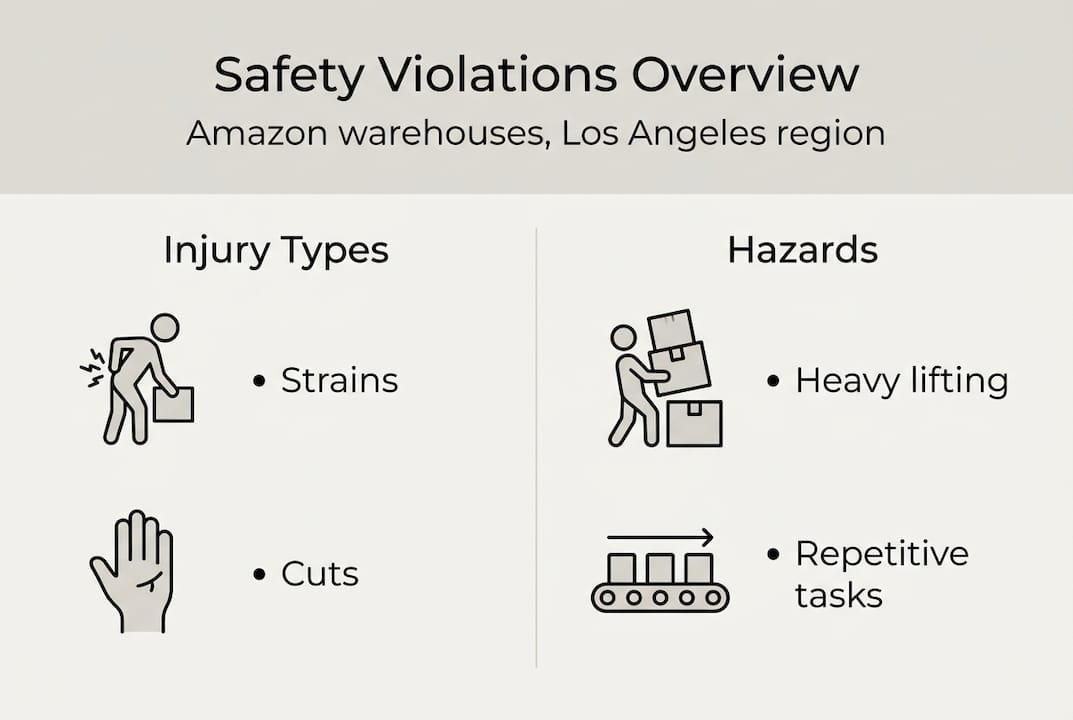
Amazon warehouses show 6.0 serious injuries per 100 workers versus 3.7 in comparable non-Amazon workplaces according to 2024 data. This nearly doubled injury rate reveals systematic hazards affecting thousands of employees across the logistics network. The numbers become even more troubling when you consider that serious injuries exclude minor incidents, capturing only cases requiring days away from work, job restrictions, or medical treatment beyond first aid.
| Injury type | Common causes | Typical body parts affected |
|---|---|---|
| Musculoskeletal disorders | Repetitive lifting, awkward postures, forceful exertions | Lower back, shoulders, knees, wrists |
| Strains and sprains | Overexertion moving packages, sudden movements | Back, legs, arms |
| Contusions and bruises | Contact with equipment, falling objects | Hands, feet, torso |
| Heat-related illness | Inadequate cooling, long shifts in hot conditions | Whole body systemic effects |
The physical demands create these elevated injury rates. Workers lift packages weighing up to 49 pounds at rates reaching 9 lifts per minute during peak periods. This pace continues for 10-hour shifts with minimal recovery time between movements. Your body performs thousands of repetitive motions daily, bending, twisting, reaching, and carrying heavy loads across vast warehouse floors.
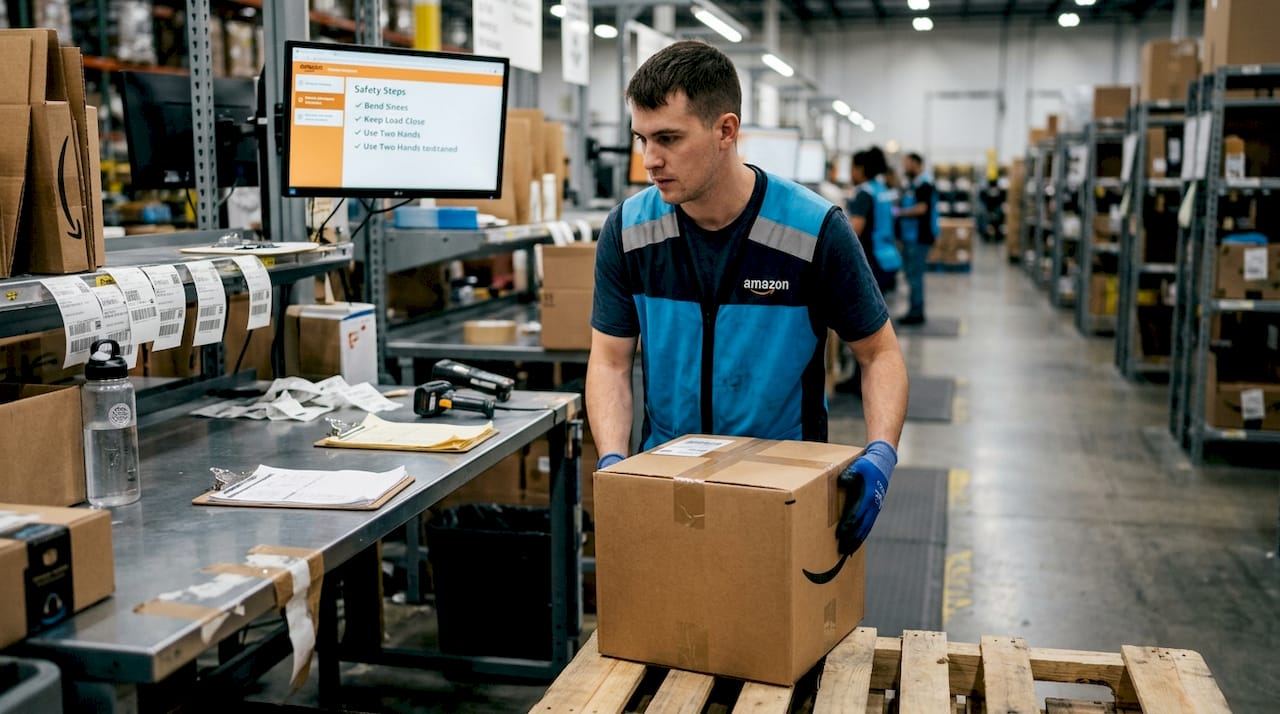
OSHA has cited Amazon nationwide for ergonomic hazards including repetitive lifting and inadequate safety protocols. Fines ranging from $46,000 to $60,000 between 2022 and 2023 highlight regulatory concerns about these conditions. The citations specifically mention failure to implement engineering controls that could reduce physical strain, inadequate training on safe lifting techniques, and poor recordkeeping that obscures the true injury toll.
Common hazards you face include:
- Conveyor systems moving at high speeds with inadequate guarding
- Narrow aisles creating collision risks with forklifts and pallet jacks
- Inadequate climate control leading to heat stress during summer months
- Pressure to meet productivity quotas that discourage safe work practices
- Insufficient rest breaks between physically demanding tasks
Pro Tip: Rotate between different task types when possible and take micro-breaks to stretch during repetitive motions. Even 30 seconds of movement variation every 20 minutes can significantly reduce musculoskeletal strain and lower your injury risk over time.
The combination of physical demands, fast pace, and productivity pressure creates an environment where injuries become predictable rather than accidental. Understanding these hazards helps you recognize unsafe conditions and take protective action before serious harm occurs.
Legal battles and worker rights: disability claims and retaliation lawsuits in the region
Juan Loera, a former Amazon warehouse employee, filed a 2026 lawsuit alleging disability discrimination and retaliation after suffering a workplace injury at the San Bernardino facility near Los Angeles. His case illustrates the legal challenges workers face when seeking accommodation or reporting unsafe conditions. Loera claims Amazon terminated him shortly after he requested modified duties to accommodate injuries sustained while performing his regular warehouse tasks.
The lawsuit alleges violations of the Fair Employment and Housing Act and the Americans with Disabilities Act, both providing strong protections for injured workers. These laws prohibit employers from retaliating against employees who request reasonable accommodations or file workers' compensation claims. Retaliation can take many forms including termination, demotion, reduced hours, hostile treatment, or assignment to more difficult tasks.
Cal/OSHA recently fined the San Bernardino Amazon Air Hub $14,000 for heat violations after workers complained about inadequate cooling during extreme temperature periods. This enforcement action demonstrates that regulatory agencies actively monitor conditions and respond to worker complaints. The fine followed documented instances where employees experienced heat-related symptoms but felt pressured to continue working rather than take necessary cooling breaks.
Your legal rights as an Amazon warehouse worker include:
- Filing workers' compensation claims for any injury arising from workplace activities without fear of retaliation
- Requesting reasonable accommodations for disabilities under FEHA and ADA, including modified duties or schedule adjustments
- Reporting unsafe conditions to Cal/OSHA without employer interference or punishment
- Refusing work that poses imminent danger to your health or safety
- Organizing with coworkers and unions to improve workplace conditions collectively
- Accessing your complete medical and personnel records upon request
- Pursuing civil lawsuits for discrimination, harassment, or wrongful termination separate from workers' compensation
Protecting these rights requires immediate action when violations occur. Document every injury, unsafe condition, and conversation about accommodations or safety concerns. Request copies of incident reports and take photos of hazardous conditions when safely possible. Seek independent medical evaluation rather than relying solely on company-selected doctors who may minimize your injuries.
Union support from the Teamsters and organizations like the Warehouse Worker Resource Center provides critical assistance navigating these complex legal situations. These groups offer free consultations, help filing complaints, and connect you with experienced employment attorneys who understand Amazon's practices and legal vulnerabilities.
"Filing workers' comp promptly and preserving CCTV and witness statements can be decisive in winning your claim." This expert legal advice emphasizes the importance of quick, thorough documentation. Surveillance footage often gets deleted after 30 to 90 days, and witness memories fade quickly. Acting immediately preserves the evidence you need to prove your case if disputes arise.
Practical steps to protect yourself if you face workplace safety violations or retaliation
Immediately file a workers' compensation claim using the DWC-1 form when any workplace injury occurs, regardless of severity. California law requires employers to provide this form within one working day of learning about your injury. Completing and submitting the employee section starts the official claims process and creates a legal record that protects you from retaliation allegations later.
Your employer must offer medical treatment through their workers' compensation insurance network. However, you have the right to predesignate your personal physician if you notified your employer in writing before the injury occurred and your doctor agrees to treat workers' compensation cases. This option gives you more control over your medical care and ensures you receive opinions from doctors without financial ties to Amazon.
If your employer retaliates by terminating you, reducing hours, or creating hostile conditions after filing a claim, seek legal counsel immediately. Retaliation violates multiple California laws including Labor Code Section 132a, which specifically prohibits discrimination against workers who file compensation claims. You may have grounds for a separate lawsuit seeking damages beyond workers' compensation benefits.
Gather and preserve all evidence supporting your claim:
- Photographs of the accident scene, equipment involved, and visible injuries
- CCTV footage by formally requesting preservation in writing to management and HR
- Written statements from coworkers who witnessed the incident or unsafe conditions
- Medical records from all providers who treated your injuries
- Copies of productivity reports showing your work pace and quotas
- Text messages, emails, or written communications about the incident
- Your personal journal documenting symptoms, treatment, and work restrictions
Contact unions like the Teamsters or the Warehouse Worker Resource Center for organizing support and practical advice. These organizations have extensive experience helping Amazon warehouse workers navigate safety complaints and legal claims. They can connect you with attorneys who specialize in warehouse injury cases and understand the specific tactics Amazon uses to minimize liability.
Consult specialized workplace injury lawyers familiar with Amazon cases in the Los Angeles area. Many employment attorneys offer free initial consultations and work on contingency, meaning you pay nothing unless they recover compensation for you. Look for lawyers with specific experience handling warehouse injury claims, disability discrimination, and retaliation cases against large corporations.
Pro Tip: Don't delay reporting injuries, even if they seem minor initially. Early medical evaluation helps both your health recovery and your claim's strength by establishing a clear connection between workplace activities and your condition before symptoms worsen or become chronic.
Keep detailed records of all interactions with management, HR, and medical providers. Note dates, times, participants, and the content of conversations about your injury, accommodation requests, or safety concerns. This documentation becomes crucial evidence if your employer disputes your account or claims you never reported problems.
Never sign settlement agreements, releases, or resignation documents without consulting an attorney first. Amazon may pressure you to accept quick settlements that seem generous but actually undervalue your claim significantly. An experienced lawyer can evaluate whether proposed settlements adequately compensate you for medical expenses, lost wages, permanent disability, and other damages.
Protect your rights with Justice Shield Law
Facing workplace injuries or retaliation at an Amazon warehouse requires experienced legal representation that understands both employment law and the specific challenges warehouse workers encounter. Justice Shield Law specializes in defending employee rights across Los Angeles, with particular expertise in cases involving workplace injuries, disability discrimination, and retaliation claims.
Their attorneys focus exclusively on representing employees, never corporations, ensuring your interests remain the sole priority throughout your case. This specialized approach means they understand the tactics large employers use to minimize liability and know how to counter these strategies effectively. Whether you need help filing workers' compensation claims, pursuing disability discrimination lawsuits, or challenging wrongful termination, their team provides the focused advocacy you deserve. Contacting experienced lawyers early in your situation can make a crucial difference in protecting your rights and maximizing your recovery.
Frequently asked questions about workplace safety violations at Amazon warehouses in Los Angeles
How do I know if my injury at an Amazon warehouse qualifies for workers' compensation?
Any injury arising from your work activities qualifies for workers' compensation, regardless of fault or severity. This includes sudden accidents like falls or equipment injuries, as well as cumulative trauma from repetitive motions over time. Even if you can continue working with pain, you should file a claim to document the injury and access medical treatment.
What should I do if I experience retaliation after reporting a safety violation?
Document the retaliation immediately by writing down dates, times, and specific actions taken against you. Contact Cal/OSHA to file a whistleblower retaliation complaint within six months of the adverse action. Consult an employment attorney who can evaluate whether you have grounds for a separate lawsuit under California Labor Code Section 1102.5, which protects workers who report safety violations.
Are there specific OSHA reports for Amazon warehouses inside Los Angeles city limits?
No specific OSHA citations have been issued for Amazon warehouses operating within Los Angeles city boundaries as of 2026. However, nearby Inland Empire facilities have received citations and fines for various safety violations. You can search OSHA's establishment database using the exact facility address to find relevant inspection reports.
Can I get legal help even if I no longer work at Amazon?
Yes, you can pursue legal claims for workplace injuries or discrimination even after leaving Amazon. California law provides specific timeframes for different claim types: one year for most personal injury claims, three years for wage violations, and three years from discovery for discrimination claims. Consulting an attorney quickly helps ensure you meet all applicable deadlines.
What types of hazards commonly cause injuries at these warehouses?
Musculoskeletal injuries from repetitive lifting and awkward postures cause the majority of serious injuries at Amazon warehouses. Other common hazards include collisions with material handling equipment, falls from elevated platforms, heat stress during summer months, and crush injuries from falling packages or equipment. The fast work pace and productivity pressure increase risk across all these hazard categories.